
SKIN 911- Reviving Winter Skin
Fall has hit Charlottesville with temperatures dropping, windy days, and a setting sun prior to 5 pm. While some of us look forward to wearing puffy coats and drinking warm drinks by a fire, these chillier conditions as well as the addition of face masks can wreak havoc on the status quo of our skin. It is safe to say that likely any glow from the warmer months is gone, and most of us are seeing only the damaged skin from getting that glow and now fighting with dry, pale, dull, and possibly “maskne” prone skin. Here are some tips and products on how to avoid cold-ravaged skin and maintain a “just vacationed” look on our faces.
HYDRATE AND MOISTURIZE
Skin needs to be properly hydrated to look its best. Hyaluronic acid is an excellent water-attracting substance that can be purchased in many over-the-counter topical products but our favorites are Nua’s Ultra Hydrating Serum that feel refreshing on the skin. This serum gives tight, dry skin the moisture it craves. Plus, all that added hydration naturally plumps your skin, refining the surface of your complexion.
DEMOLISH THOSE FREE RADICALS
You might be thinking, what is a free radical and why does that matter to me? Free-radical damage is the pesky thing that often causes many of the visual and hidden signs of aging. Free radicals are byproducts that are formed in the skin when oxygen is used by the body. Their presence in our skin alters its DNA which results in aging. When talking about antioxidants, more is better. A well-rounded approach starts with eating a diet rich in antioxidants and is enhanced by using a high quality topical product like Nua’s Brightening Vitamin C Serum. Topical Vitamin C is sensitive to heat, light, and oxygen, so it is best to purchase this product from a trusted source.
TARGET “MASKNE”
It seems like many of us have developed a little “maskne” over the past year and here are some tips to help manage it. Change and wash your mask frequently. Have several on hand for all the days of the week. Wash with a gentle, hypoallergenic detergent. Try to find a mask that wicks away moisture and does not get wet throughout the day. Avoid makeup under the mask as clean skin is less likely to clog your pores. Some patients have found spraying a light mist of exfoliating spray into the mask such as the Nua Glycolic/Salicylic spray can help keep the skin clear.
PROTECT
You may tire of hearing it, but to keep your skin healthy — both to reduce the risk of skin cancer and to also maintain an appealing cosmetic appearance — you must use a broad-spectrum sunscreen and you must reapply it often, even in the winter. It is thought that over 90% of skin aging effects are caused solely by the sun. All skin tones are subject to the cosmetic aging effects of the sun, even if some skin tones are more prone to skin cancers. In fact, people with less fair complexions and who do not burn easily, often never develop the daily regular habit of using sunscreen, and are the ones who end up with more cosmetic sun damage. The best product lines provide safe, oil-free, and non-comedogenic chemical and/or physical barriers with added benefits such as antioxidants and water resistance. A great supplement to sunscreen is wearing sun protective clothing, hats, and sunglasses.
RESTORE
With shorter days, colder weather and overcast skies, late fall and winter are the perfect times of the year for several skin and hair treatments that are less safe or effective if performed in the sunny summer months when we are spending a lot of time outdoors. We are offering free cosmetic consultations at Nua for the rest of 2020 and would love to personally meet you and give recommendations on what is best to restore and rejuvenate your skin.

Katherine Loose, MPA, PA-C

Magical Vitamin C
WHAT IS IT WITH ALL THIS TALK ABOUT VITAMIN C AND ANTIOXIDANTS? By Katherine Loose, PA-C
“So, should I start taking it?” This is a common response I get from patients when we are talking about skincare regimens and I mention vitamin C. The importance of vitamin C has been engrained in many of us since childhood when we were encouraged to eat oranges at half time and thus has persisted into adulthood as we reach for an Emergen-C when we have the tiniest hint of a cold emerging. Most of us associate it with strengthening our immune system and therefore, it is logical to assume when I mention it during my product consultations that I mean for patients to start supplementing with it orally. In actuality, I am talking about its use topically. Vitamin C is so familiar to most of us that the idea that it could be beneficial to our skin topically does not seem that far-fetched. I encourage my patients to incorporate this powerful antioxidant into their regimen and hope that this article reinforces its importance and can convince those who are not using it to start.
I think this conversation needs to start with the basics. What is an antioxidant and why is that important? This takes us to an even more basic issue of a pesky thing called a free radical. Free radicals are unstable molecules that are missing electrons from their outer shell. You may ask, “Why should I care about a missing electron?” This is because these unstable molecules are trolling around looking for something to attach to and would love to grab ahold of your skin molecules. Yuck, right? But wait, they just want to feel whole again. Don’t we all? These free radicals can bond to atoms on our skin and this causes oxidative stress. This stress can damage the DNA in our skin cells, leading to weakening…i.e. progression of aging, wrinkling and even skin cancers. Where do these awful free radicals come from was the first thing I wanted to know. Unfortunately, they are commonly found invaders of our environment and are generated from the foods we eat, the medicines we take, and the water we drink. They are byproducts of air pollution, sunlight, alcohol, smoking, pesticides, poor nutrition, and the list goes on. Antioxidants claim to fame is that they can delay and sometimes stop the damage the free radicals cause our skin cells because they bind to free radicals and therefore make them feel whole again. What a happy ending!
And guess what, vitamin C also does more for your skin than just bind to free radicals. It plays an important role in collagen production. It is a cofactor for building collagen which gives our skin support and makes it stay youthful. It can also brighten our skin by saying “STOP, DO NOT CROSS GO” to the pathway of pigment synthesis therefore stopping the brown spots in their tracks.
We know that Vitamin C can be found in fruits and vegetables, so can we just squeeze OJ on our face to reap in the benefits. Unfortunately, it is not that easy. The most effective form of topical vitamin C is synthetically produced and is called L-abscorbic acid. This is the most active and pure vitamin C product. There are many derivatives that you may see on the ingredient list of a vitamin C product, which can deliver benefits and also help keep the L-abscorbic acid stable. Generally, the labeling of vitamin C products will list a percentage on the bottle. This percentage can range from 5-20%, but a concentration of at least 10% is needed for efficacy. The percentage that is able to penetrate into your skin depends heavily upon the pH and the water absorbing capabilities of the product formulation. The vitamin C molecule is unstable and can lose its antioxidant abilities when it is exposed to air, light, and heat. Therefore, I stress heavily to patients, that it is important to choose high-quality vitamin C products because they are going to have greater stability and skin penetration. The Nua private label vitamin C products are stable for up to 2 years and are all made with pure L-abscorbic acid at concentrations of 15% and higher.
Most patients have no problem tolerating Vitamin C, but in high concentrations, it can be irritating. Some patients with sensitize skin cannot use it and I recommend testing it with your skin for about a week before committing to the purchase.
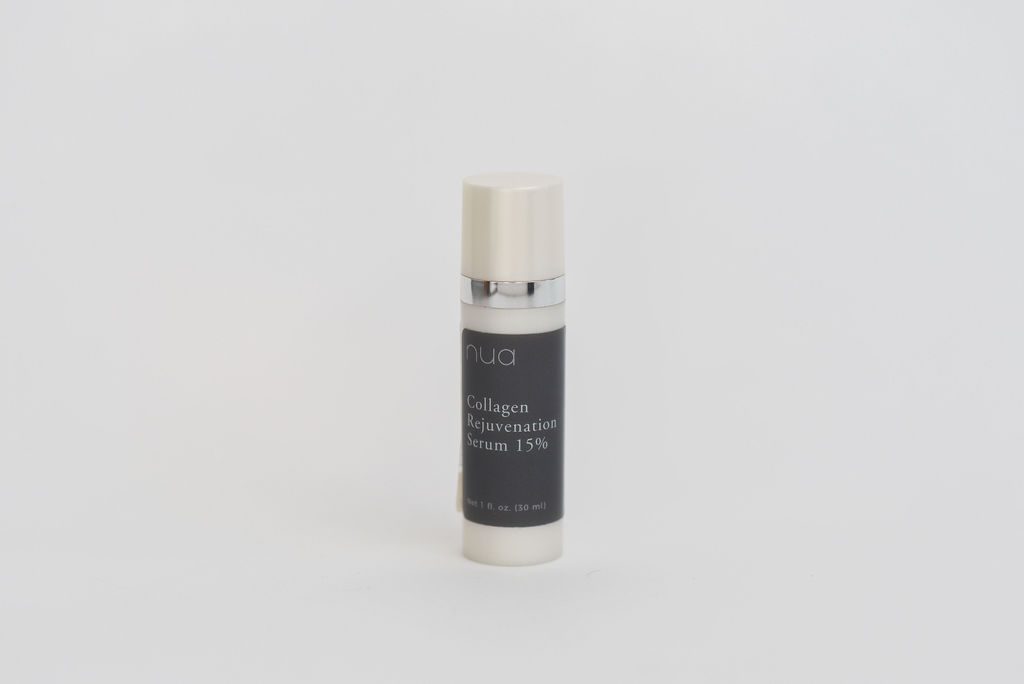
So now that you are sold on the benefits of its use, you may be wondering how and when to incorporate it into your regimen. Consistency is first and foremost in my opinion but I prefer for my patients to use it in the morning. I recommend avoiding using it at the same time as other acids such as glycolic or retinols because of its volatile nature. For patients that use it in the morning, I recommend the Nua Brightening serum or the Nua Collagen Rejuvenation serum right after cleansing your face. These are lighter products that feel good on the skin and allow for layering of sunscreen and makeup on top. If a patient is not using a retinoid product or glycolic, then nighttime use is a wonderful time to use vitamin C. I generally recommend the Nua Vitamin C 15% cream for these night owls because it is super hydrating. We would love for you to schedule a product consultation at Nua Medical Spa to discuss any of your skin care needs (434) 956-4835.
 Katherine Loose, PA-C
Regrow Your Hair With Platelet Rich Plasma
STRUGGLING WITH HAIR LOSS? THERE IS A TREATMENT AT NUA MEDICAL SPA THAT MAY BE RIGHT FOR YOU!
Our aging bodies can throw us lots of problems. One of the most disheartening issues for many people can be hair loss. If your hair has been falling out more and more as each year passes, this can cause not just a decrease in hair, but a decrease in confidence and self-esteem. Men may try to cover up their hair loss problem with hats, while women often opt for wigs, scarves, or messy spray dyes. But for either gender, there is thankfully now a natural, satisfying, and long-term solution to hair loss called Platelet Rich Plasma or PRP.
Androgenic alopecia (AA) is the most common type of hair loss and is age-related. It is often a result of your familial predisposition and genetic makeup. There is no cure for AA but it can be treated with over-the-counter FDA-approved topical Rogaine (minoxidil) for both men and women or with an oral prescription of Propecia (Finasteride) for men. In more recent years, it has been discovered that our own plasma treats hair loss.
PRP has been around for a few decades and has been used for years to accelerate repair of damaged joints and to increase hemostasis during surgeries. More recently in cosmetic dermatology, it is used for regeneration of hair and collagen and dermatologist and patients are seeing great results. PRP works because the platelets have many growth factors that direct affect hair quality and quantity, by making the hairs that are still present healthier and thicker, and by stimulating the stem cells in the follicles to promote new growth. A huge advantage of PRP is that it is completely natural because it is using the patient’s own plasma.
Many patients come to our office after having tried any combination of medications, vitamins, and laser combs, with some success, but have found that the PRP results are better and longer lasting. The PRP treatments not only improve hair counts but also thicken existing hair follicles resulting in healthier hair.

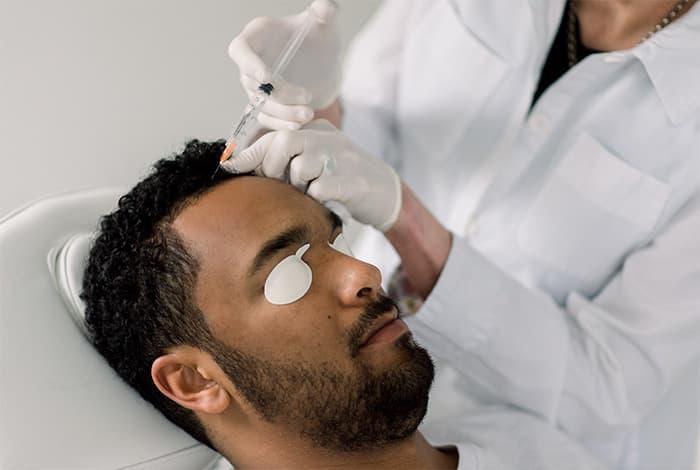
On the day of your appointment, a blood draw is done in office and then the platelet-containing plasma is separated from the red blood cells with a centrifuge. The PRP is a high concentration of your own platelets in a small volume of your own plasma which is injected into your scalp using a very fine needle. Platelets are responsible for hemostasis (clotting) but they also contain growth factors and cytokines that affect angiogenesis and cell proliferation. These growth factors are thought to stimulate and strengthen the hair follicle which may strengthen the hair shaft, decrease hair shedding, and promote new hair growth. Because this is fairly new with ongoing studies being performed on efficacy, this is not an FDA-approved treatment for hair loss; however, the results have been very promising for most of our patients. We see the best results in areas of the scalp that have had recent hair loss as opposed to areas where hair loss occurred years ago. Based on current small studies, the best results occur after a series of 3-4 treatments spaced 4-6 weeks apart.
The risks and side effects of PRP are very minimal. Since we are using your own plasma, there is no risk of infection. Because we are injecting a needle into the scalp, there is a very small and rare risk of infection. The injections are mildly painful and may prompt a slight headache in some patients after the treatment. You can have the procedure done during a lunch hour and then return to work, if necessary. It is recommended that you do not dye your hair for 4 days post-procedure, but otherwise, there are no other post-procedure restrictions.
While PRP is an excellent treatment for AA, there are some types of hair loss that it may not treat. We recommend patients to schedule a consultation here at Nua Medical Spa to see if PRP for alopecia is for you!

Best of Cville 2019 Winner!
THANK YOU TO OUR PATIENTS FOR VOTING DR. ANNA MAGEE 1st PLACE AND NUA MEDICAL SPA RUNNER UP FOR THE BEST OF CVILLE!

INFINI LUNCH AND LEARN - AUGUST 22nd
REJUVENATE YOUR SKIN WITH INFINI RADIOFREQUENCY WITH MICRONEEDLING
Infini SMOOTHS, Infini TIGHTENS, Infini CORRECTS.
Meet, eat and discover everything you need to know about this exciting procedure that stimulates collagen growth to treat wrinkles, acne scars, fine lines, skin sagging and large pores.
Join us at NUA on Thursday, August 22nd for lunch and exclusive savings on Infini packages. Purchase 2 treatments and receive half off of your 3rd. Spaces are limited, please call us at Nua (434)956-4835 to RSVP.

Hair Free and Care Free in 2020
Do you want to be free from the hassle and discomfort of shaving or waxing? Are you embarrassed by unwanted facial or body hair?
Nua can help you be hair free and care free in 2020!
Laser Hair Removal is a popular alternative to achieve smoother, softer skin without the daily hassle of shaving, waxing, or plucking. Plus, in the long run, it can even save you money by eliminating the cost for waxing and shaving.
The laser emits a light that is absorbed by the pigment (melanin) in your hair that damages the hair follicle so that the hair will stop growing. Because the hair grows in cycles, not all of your hair follicles will have hair present in them at your first visit. This is why is takes several visits, usually 6, to treat a specific area. The visits are spaced 6-8 weeks apart to allow time for the hair to grow within the follicle. Many patients find that the results from the laser sessions are permanent, but some patients may have other medical or hormonal conditions that require maintenance treatments.
Laser Hair removal works best on dark, pigmented hair (not white or blonde hair). And, because the laser light is absorbed by pigment, you can not have a tan or a sunburn for two weeks prior to your procedure. If you have natural tan or darker skin, a test spot can be done to see if you are a good candidate for laser hair removal. Most people have their laser hair treatments done in the fall and winter months when they usually do not have a tan.
You should shave the night before or the morning of the procedure so as to reduce the risk of the longer hairs on top of the skin heating up and burning your skin which could result in scarring. Topical anesthesia cream can be applied before the treatment to numb the area being treated but is not necessary. The procedure itself is not too painful and most people say it feels like a light rubber band being snapped on the skin. Afterwards, the area treated will feel like it has a sunburn, and it may be itchy and dry for a few days. The hair within the follicles do not fall immediately, but will shed during the week following your appointment.
Plan ahead for next summer by booking your Laser Hair Removal this fall and winter. During August, if you buy a package of 6 treatments, you will receive a 15% discount.
 Amy Randolph, PA-C

Getting to the Bottom of Wrinkles...
B O T O X * D Y S P O R T * X E O M I N
Remember when Botox was a taboo subject? Now you mention Botox and nobody raises an eyebrow. It’s not even frowned upon!
Botulinum neurotoxin A (BoNT/A) is very safe in small amounts such as those used for cosmetic face injections to reduce dynamic facial lines and wrinkles. Since the late 80’s, the cosmetic procedure has enjoyed wide popularity with Hollywood and has more recently become mainstream. Approximately 1 million Americans had BoNT/A in 2018, and it is gaining popularity among millennials as a preventative measure against static wrinkles. Static wrinkles are the deeper facial lines that develop as we age as a result of the dynamic wrinkles that form when making facial expressions like smiling, frowning, raising the eyebrows or squinting.
Botox Cosmetic (brand name), which received FDA approval in 2002, is the most popular neurotoxin; however, three other brands of BoNT/As are available in the market: Dysport, Xeomin, and the new Jeuveau. The word “Botox” has become the universal word to represent “Botulinum neurotoxin A,” just like the word “Kleenex” is used in place of “facial tissue.” The differences between the various brands of BoNT are in the molecular structure/proteins, how the product may be stored (refrigerated or not), where the toxin is manufactured, and the price per unit.
All of the BoNT/As temporarily paralyze the nerve impulses responsible for muscle contractions that create those dynamic wrinkles of facial expression. The reduction in dynamic wrinkles lasts between 3 months to 6 months. The incidence of side effects is very low, and includes injection site irritation at the time of treatment, bruising, mild swelling, and rarely (1-2%) a temporary drooping of the eyelids or eyebrows. Very rarely headache, twitching, numbness, or asymmetry (one side different from the other) may occur. For some patients, the treatment reduces or prevents headaches.
At Nua, we carry Botox, Dysport and Xeomin. If you haven’t tried BoNT/A and would like more information, please schedule a consult! Let’s turn that frown into a smile!

Hand Rejuvenation: The Best Treatments for Aging Hands
As a young girl, I remember watching the scene from “Gone with the Wind” where Scarlett O’Hara tries to trick Rhett Butler into believing things are going well on her plantation during the Civil War and being shocked that he could tell by the state of her hands that conditions were not as she says. Now as an adult working in cosmetic and medical dermatology, I see that hands are one of the first places where the telltale signs of aging and sun damage can be seen. Many of our patients take concerted efforts to keep their faces and necks looking youthful but often unknowingly neglect their very visible hands.
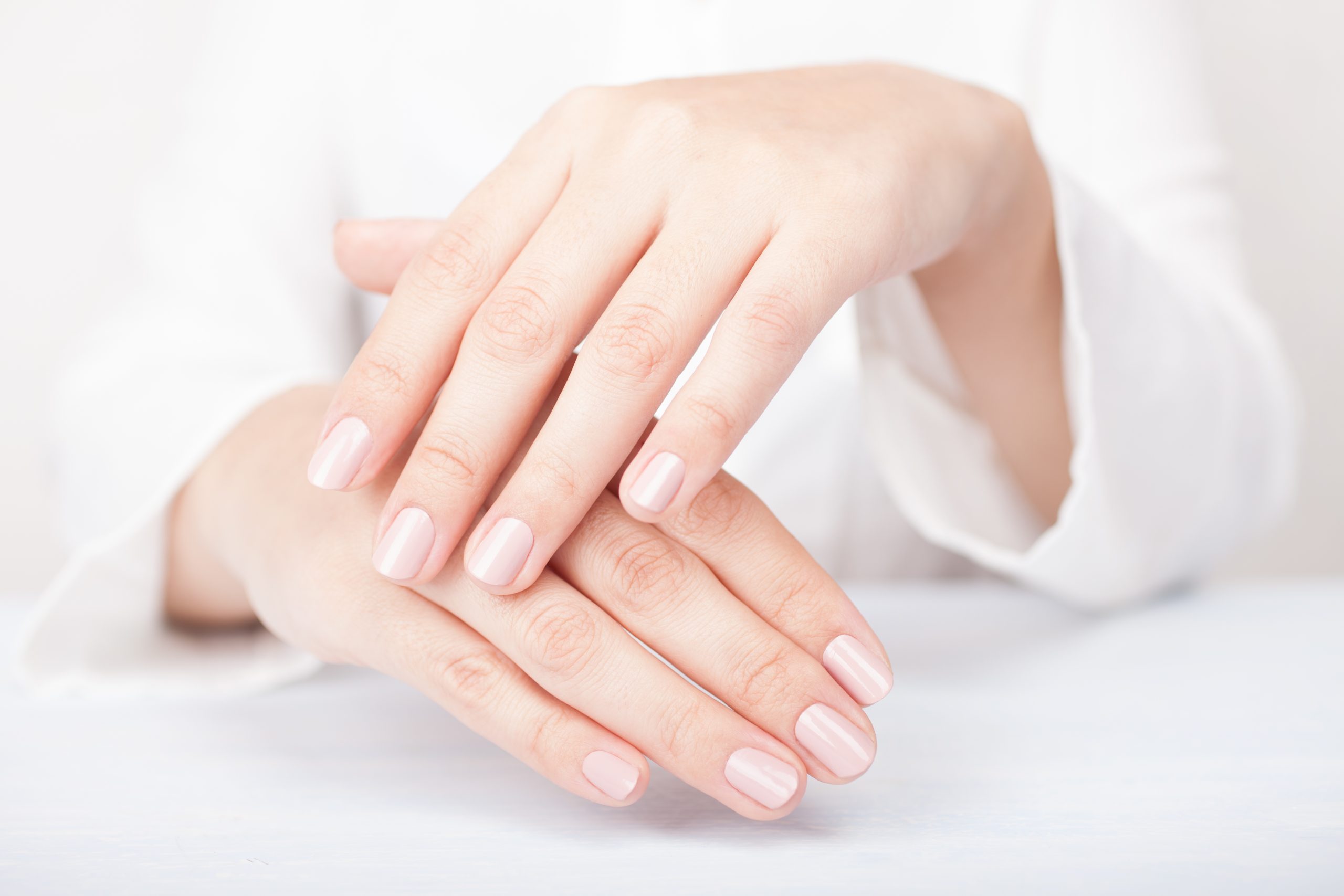
Hand aging happens for a number of reasons. Years of the sun’s UV rays causes pigmentation issues as well as dullness, spots, wrinkles and creepiness. Also, natural collagen breaks down and fatty tissue is lost resulting in a heightened appearance of veins and tendons. Luckily, we have ways at Nua Medical Spa to address these issues in order to rejuvenate aging hands.
PIGMENTATION- If pigmentation is your main concern, I generally recommend an Intense Pulsed Light (IPL) treatment paired sometimes with liquid nitrogen treatments. The IPL is a light treatment that has a special wavelength of visible light that targets and destroys pigment clearing our hands of superficial spots. Some of the spots that we notice on our hands are keratosis which lie on top of the skin and are caused by sun damage and genetics. Keratosis generally require liquid nitrogen treatments to slough them off. Here at Nua, I analyze your hands at consultation and often find that patients need a combination treatment for the best results. This luckily can be done on the same treatment day and offers amazing results.
 IPL HANDS BEFORE AND AFTER
PIGMENT, SUN DAMAGE, PRE-CANCEROUS LESIONS- Another option for pigmentation, sun damage, and pre-cancerous lesions for the hands is a TCA chemical peel. Here at Nua, we apply a non-toxic chemical to the skin which causes the top layers of the cells to dry up and peel off exposing a fresh new layer of undamaged skin with smoother texture and even color. After a TCA peel, your skin will continue to improve for 1-2 months and many patients even see improvement with wrinkling.
TONE, TEXTURE, WRINKLING- Some patients are most bothered by the tone, texture, and wrinkling of their hands. The Fraxel Restore laser is excellent at improving this degraded tissue and stimulating collagen to replenish the skin of its youthful appearance. The laser penetrates into the dermal layer of the skin causing new collagen production which leaves the hands looking fresher and younger. Many patients find the most benefit doing a series of 3 treatments and find the results to be very long lasting.
 VOLUME LOSS- Many patients are bothered by the fat and tissue loss of their hands and come in complaining of skeleton looking hands where bones and tendons are prominent. This is a problem with volume and thankfully we now have two FDA approved treatments to correct this. At Nua, we use dermal fillers such as Radiesse and Restylane Lyft. These are injected into the backs of the hands and instantly and dramatically add back volume to the areas. The filler injections are dramatic, require no downtime, and results can last for at least a year.

Katherine Loose, PA-C, NUA Medical Spa

The Passion for Microneedling
Why is microneedling – something that sounds so unpleasant – one of the increasingly favorite aesthetic procedures of “those in the know” cosmetic dermatology patients? This may be because it has a considerably lower price point, a shorter recovery time than most laser procedures, and can offer results equal to lasers in many cases. It is no surprise then that even the busiest (and most price-conscious) patients will turn to microneedling to improve their skin texture and tone. In fact, for those patients with darker skin tones who are not good candidates for lasers, microneedling can achieve the results that for so long have only been available to those who are candidates for lasers. Moreover, microneedling can be performed closer to the eye area than lasers – a problem spot with fine lines and wrinkles for many people.

Why does it work so well to improve and correct skin texture problems? As this informative article says, “You can think of microneedling as collagen induction—or collagen induction therapy.” As our skin ages, the production of collagen and elastin slows and even can stop causing our skin to appear thin and wrinkled. Microneedling involves the delivery of tiny wounds using a specialized single use tip. This tip pricks then skin’s layers which stimulates the growth of collagen. Lackluster collagen is newly stimulated by this treatment creating a more youthful and uniform skin appearance with improvement in texture, thickness, and skin elasticity. It can also be used to correct scarring, minimize wrinkles, and shrink enlarged pores.
Some patients opt to do a single treatment to achieve glowing skin while others who want to tackle challenging issues such as scarring or wrinkling may need 3-5 treatments spaced around 1 month apart. Each procedure takes about 30 minutes to perform and patients will need to be numbed for about an hour prior to the procedure. Our providers will give you recommendations for number of treatment sessions and timeline at your consultation.
The procedure is very comfortable with topical numbing and the downtime is minimal with most patients experiencing redness the day of and day after procedure and some minimal pinpoint bruising. Skin care products to enhance the results from the microneedling are recommended and typically makeup can be applied the following day. Results are typically seen in about 3-4 weeks.
This May, Nua, the Medical Spa at Charlottesville Dermatology is offering $200 off a series of 3 microneedling treatments to help you reveal your inner beauty. Please call (434)956-4835 if you have questions or would like to schedule a free consultation.

Let’s Get the Skinny On Double Chins
Likely if you are reading this post you have some unwanted fat somewhere on your body (let’s be honest, who doesn’t?) and are interested in demolishing it. This month our focus at Nua Medical Spa is on the double chin or in medical terms, unwanted fat in the submental area. The fat reduction market has been hot, hot, hot over the last five years and spicing things up even more was the introduction of two non-surgical, non-invasive treatments called Kybella and the CoolMini. These two procedures have put some heat on the invasive old school way of chin sculpting called liposuction and give patients another option to eliminate this problem.
So how do these two noninvasive treatments stack up against each other? Kybella is a FDA approved medication that is injected into a pocket of unwanted fat. It destroys the fat that it is injected into, but leaves the cells we want intact. Amazing, right? It helps improve our jawline and neck angle and this can make a significant impact on the perception of our face to not only ourselves but others as well. The best candidate for Kybella is someone with not too much skin laxity and a well-defined appearance of fat. It is injected directly into the pocket of fat and causes the cells to disappear within 3-6 weeks. Most patients need a series of 2-3 treatments to reach their desired endpoints spaced about 6 weeks apart. The major downside of Kybella is slight discomfort from the injections, some swelling after the procedure, and minimal numbness that resolves in 1-2 weeks. The CoolMini is an FDA cleared device to destroy fat cells as well as improve the appearance of skin laxity in the submental area. The Coolsculpting treatment causes cryolipolysis to happen, meaning fat cells of the chin and neck are frozen and killed by the application of controlled cooling to the treated area without damaging the surrounding skin. The body’s immune system then clears the damaged cells and patients gradual see results over the next 3 months. Some patients may require an additional CoolMini treatment 1-3 months after the first depending on their specific needs. There are no needles with the CoolMini, but some patients experience minimal swelling and numbness for 1-2 weeks after the procedure.
So which treatment may be the best for you? The majority of patients with submental fat would benefit from either procedure but there are features of each which may appeal more to the specific needs of each patient. While Kybella is best for patients without skin laxity, the CoolMini is indicated to also tighten the skin so it may be a better solution if you have this problem. We find that patients with a smaller chin area and petite jawline may not fit the CoolMini applicator and therefore are not candidates for this treatment and would choose Kybella for this reason. We recommend scheduling a consultation with one of our providers to evaluate your unique needs and offer recommendations for treatment.
With our April special, patients will receive a free Infini skin tightening treatment with purchase of each Kybella syringe or CoolMini cycle. This is an amazing offer because not only will you get the benefit of destroying the fat cells, but you will have a free treatment to help improve skin laxity, reduce wrinkles, and enhance skin tone. I recommend completing the recommended treatments of either Kybella or CoolMini treatments and then working on tightening and toning the neck with Infini once the fat destruction has occurred. Shave the beard, throw out the scarves, and let us help you improve your double chin and neck line this spring.
Katherine Loose, PA-C

Fat 911: Coolsculpting vs Liposuction
The first two months of the year have gone and while you have held fast with your resolutions, your clothes still do not fit quite like they used to. You may be doubting your New Year’s weight loss and exercise commitments and panicking that soon it will be time to shed off the layers and… gasp -wear a bathing suit! You may have done a little research (i.e. googling), seen some commercials about body contouring, and likely have come down to two choices; Coolsculpting and liposuction. So where do you go from here and how do you decide which one is best for you?
The short answer is understanding the difference between the two procedures and the term invasive vs noninvasive. Hopefully by the end of this article you will have a better understanding of the most popular method in each of those categories and feel comfortable taking the next step which would be an in person consult at Nua Medical Spa.
When many of our patients hear the word invasive, sirens go off and their guard goes up. Liposuction is an invasive body contouring procedure. It involves needles, incisions, stitches, pain medication, numbing, scars, and considerable downtime; all unpleasant things. While it is one of the most popular cosmetic surgeries, it can have rare severe complications, including death. Most commonly the procedure’s downtime is due to the incision sites healing, the bruising from the cannula taking time to resolve, and the swelling gradually going down over a course of several weeks. After all that… then poof- you will see your results. This procedure often is done in an operating room, requires anesthesia, and sometimes requires an overnight stay in the hospital.
Coolsculpting on the other hand, is a noninvasive procedure with little risks and zero downtime. It can be performed in an office setting in as little time as a couple of hours. Most patients agree that Coolsculpting is not painful, just mildly uncomfortable. There is intense cold for several minutes then the area becomes numb. After the treatment, patients may have mild bruising and swelling in comparison to liposuction which generally resolves within a week and has zero risk of serious complications.
Both procedures are customizable and can be tailored to your body and your needs. Liposuction uses a cannula with negative pressure to suck the fat cells out of the treated area. The cannula is like a rod that goes in and out of different layers of the body, therefore traumatizing the treated area. Coolsculpting delivers cold to targeted fat cells without damaging the skin above. The treated fat cells become crystalized (i.e. frozen) and damaged. Our bodies recognize the damaged cells and naturally clears them out. It is a gradual process, taking about three months to see the full results. Since liposuction immediately sucks the fat cells out, it can produce quicker results.
Some patients who are comfortable with the risks of either procedure may choose one or the other due to cost. Since Coolsculpting does not require anesthesia, an operating room, or any hospital stay it is generally more cost effective. It is the perfect lunchtime procedure as long as you are a patient with moderate pinchable fat. It does not remove excess skin and is not a weight loss solution. Patient’s with excess skin or other anatomical problems will likely benefit more from surgery and liposuction.
One of the best benefits of both procedures, is that they both permanently remove the fat cells. Yes, permanently! The bottom line is that both procedures can achieve amazing, reproducible, and permanent results. Liposuction is invasive with considerable risk and downtime, while Coolsculpting is noninvasive, perfect for moderate amounts of fat, and with little risk. Now that you know a little background after reading this, the next step is to book a consultation to discuss body contouring at Nua Medical Spa. When you come, you will meet highly trained Coolsculpting specialists who are knowledgeable in both Coolsculpting and liposuction. We can advise you on which option may be best to obtain your goals and help you become excited about finally getting rid of that

Winter Skin Treatments
With shorter days, colder weather and overcast skies, late fall and winter are the perfect times of the year for several skin and hair treatments that are less safe or effective if performed in the sunny summer months when we are spending a lot of time outdoors.
Laser and Light Treatments
The best winter treatments for skin are those that target pigmentation. Light and laser treatments like IPL (intense pulsed light) and Fraxel target pigmentation problems. IPL addresses blemishes, redness, and brown spots, while Fraxel evens out color and helps with fine lines and texture. In either case, fall, winter and early spring are the time to do these procedures. Post-treatment your skin is slightly more sensitive to light, which can result in new, unwanted spots if you get too much sun too soon after the treatments.
Laser Hair Removal
Laser hair removal technology targets pigment (ideally only in the hair) to disrupt the hair’s growth. The darker your skin, the more pigment there is to attract the laser, and therefore the less effective the hair removal technology will be. Furthermore, more pigment in the skin increases the likelihood of receiving a burn from the laser. Therefore it’s best to do hair laser treatments in the fall/winter because skin has less melanin than at other times of the year. Additionally, you will need to avoid sun exposure for two weeks after a treatment, which is easier to do in the colder months when skin is covered. Laser hair removal typically takes 5-6 treatments every 6-8 weeks for the majority of unwanted hair to be permanently removed. If you start in the fall, by summer all unwanted hair will be gone!
Chemical Peels / Microdermabrasion / Micro-Needling
All these treatments encourage cell turnover. This can temporarily increase vulnerability to the sun more than even normally as superficial skin layers are removed; therefore, late fall and winter are perfect times to try these. Winter’s dry indoor heating and cold air can also dull your skin, no matter how moisturized you try to keep it. Micro-needling can allow nutrients like vitamins C and E and all your moisturizers to penetrate and rejuvenate skin, giving you a radiant glow without the sun.
